Vision Screening
Vision Screening
Vision screening is a quick eye chart and vision check that Quentin Medical Pc offers as part of physicals and routine primary-care visits in Brooklyn. It is a simple, non-invasive way to note how well you see at a distance and to flag anything that might call for a closer look with an eye specialist.
What vision Screening is
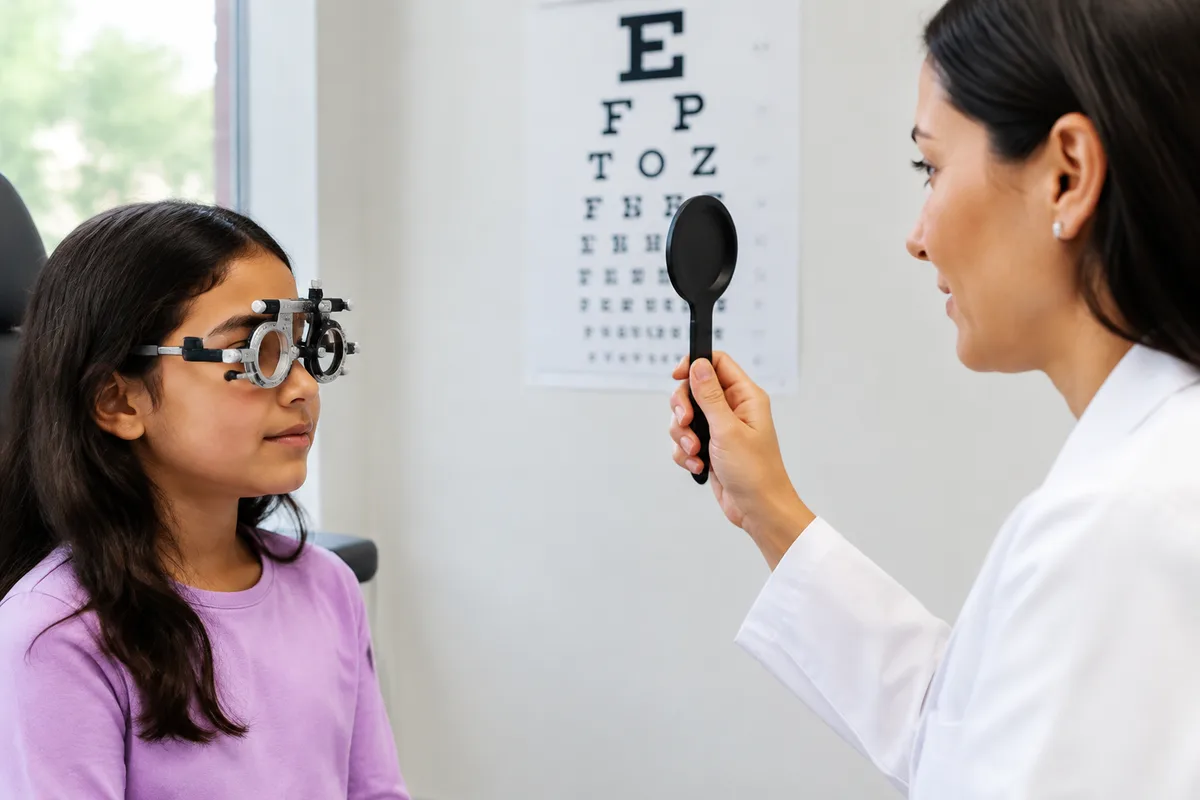
At its core, a vision screening asks you to read letters or symbols from a standard distance, usually one eye at a time, to check how clearly you see. It is not a full eye exam — it does not diagnose eye disease or fit prescriptions — but rather a first-pass check that helps identify whether your vision falls within an expected range for your age and situation.
This kind of screening has long been part of routine health checks because it is fast, inexpensive, and easy to repeat over time. It gives a primary-care provider a simple data point alongside other measurements, similar in spirit to checking blood pressure or weight, and helps decide whether a referral to an eye care specialist is worth pursuing.
How we use it at Quentin Medical Pc
At Quentin Medical Pc, vision screening is used during physicals and routine care visits, giving your provider a straightforward check of your eyesight as part of a broader look at your health. It fits naturally alongside other in-office checks such as audiometry for hearing, automated blood pressure monitoring, and pulse oximetry — together these give a fuller picture during a wellness visit or a school, sports, or employment physical.
Because your visit history and results are kept in one secure electronic health record, a vision screening result from one visit is easy to compare with future checks, and any notes or referrals are available to you afterward through the patient portal.
What it means for you
A vision screening is quick and comfortable, and it does not involve eye drops, needles, or anything touching the eye. For many patients, it is simply one more step in an annual physical or a school or work physical, adding only a few minutes to the visit.
Catching a vision change early — even a mild one — can make it easier to address before it affects daily activities like reading, driving, or schoolwork. Having the result recorded alongside the rest of your health information also means your provider can consider your vision together with other factors, such as diabetes or blood pressure, that can sometimes affect eyesight over time.
What to expect during your visit
No special preparation is needed. If you normally wear glasses or contact lenses, it helps to bring them, since your provider may check your vision both with and without them. You will typically be asked to read letters or symbols from an eye chart at a set distance, covering one eye at a time.
The screening itself usually takes just a few minutes and involves no discomfort. Once it is done, your provider will note the result in your chart and let you know whether everything looks as expected or whether a referral to an eye specialist would be a good next step.
Frequently asked questions
Is vision screening safe?
Yes. It involves no drops, no contact with the eye, and no radiation — just reading letters or symbols from a distance. It is considered a routine, low-risk part of a physical or wellness visit.
Does it hurt or cause discomfort?
No. There is no touching of the eye and nothing uncomfortable about the process. Most patients find it takes only a minute or two per eye.
How often is vision screening done?
It is commonly included in annual physicals, school and sports physicals, and pre-employment physicals, so many patients have it checked once a year or whenever a physical is required.
Who is vision screening suitable for?
It is appropriate for most patients seen for routine primary care, including children needing school or sports physicals and adults completing wellness visits. It is a screening tool rather than a diagnostic eye exam, so anyone with specific vision concerns can be guided toward the right next step.
If you would like a vision screening as part of an upcoming physical or wellness visit, reach out to Quentin Medical Pc to ask about scheduling.
This content is for general information only and isn't medical advice. Talk with your doctor about your own situation. If you have a medical emergency, call 911.