Electronic Health Records
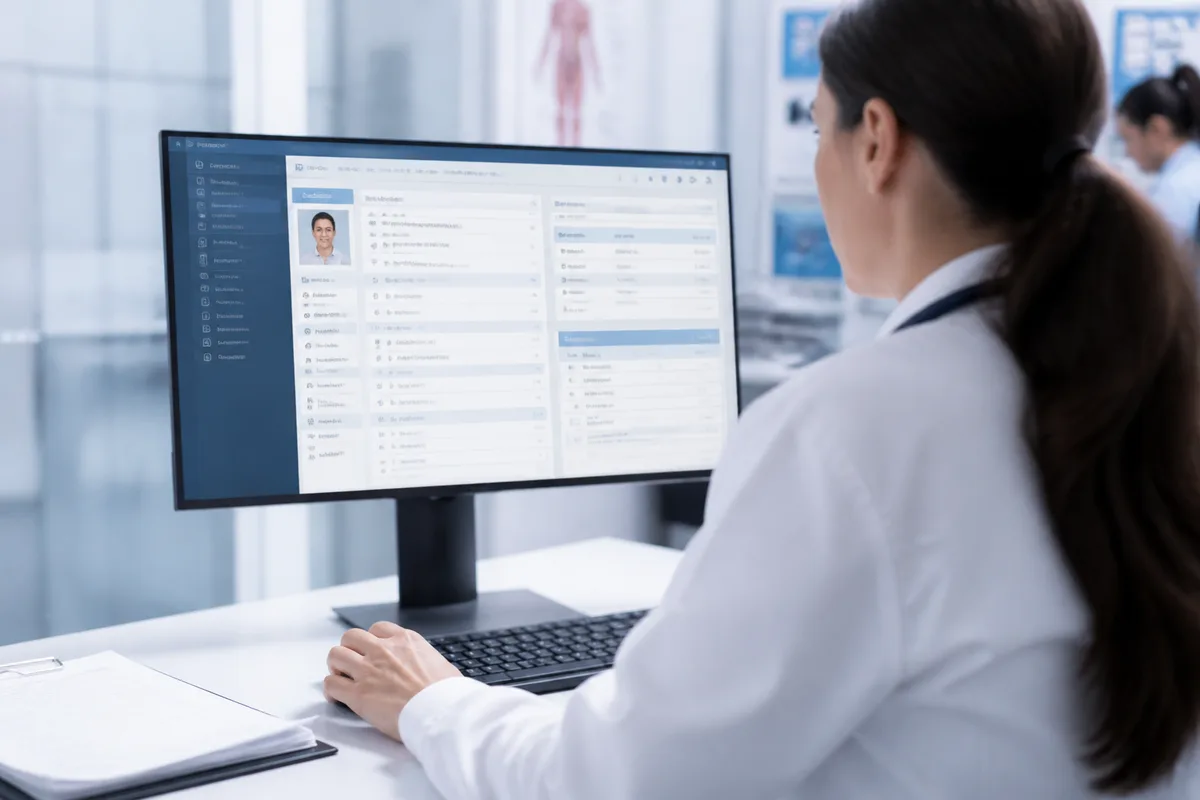
Electronic Health Records
Your history, medications and results in one secure record, so every visit picks up where the last one left off. At Quentin Medical Pc, this record sits behind the scenes of nearly everything we do, connecting your care from one appointment to the next.
What electronic Health Records is
An electronic health record, or EHR, is a digital version of the paper chart that used to sit in a file room. Instead of loose pages that could be misplaced or hard to read, your information — visit notes, medications, allergies, test results, and past diagnoses — lives in one organized, searchable file that your care team can pull up instantly.
Before electronic records became standard, a patient's history might be split across several paper folders, handwritten notes could be difficult to decipher, and sharing information with a specialist or pharmacy often meant faxing documents or waiting for a callback. Digital records reduce that friction: information entered once is available at every later visit, and it can be transmitted securely and quickly when it needs to go somewhere else.
How we use it at Quentin Medical Pc
When you come in for a visit — whether it's an annual physical, a sick visit, or ongoing management of a condition like diabetes or hypertension — your record is opened and updated as part of that visit. Results from in-office testing, such as a 12-Lead EKG, Spirometry, Point-of-Care HbA1c Testing, or Urinalysis, are recorded directly, so they become part of your history rather than a separate slip of paper that could be lost.
The same record supports E-Prescribing, sending prescriptions directly to your pharmacy instead of relying on a paper script, and it feeds the Patient Portal, where you can review visit summaries, lab results, and messages from our office. Because vitals like blood pressure, pulse oximetry, and temperature are logged consistently at each visit, the record builds a clearer picture over time — useful for chronic disease management, medication management, and coordinating care with any specialists you see.
What it means for you
A well-kept electronic record generally means less repetition for you as a patient. You are not asked to recall every medication or past diagnosis from memory at each visit, because it is already documented. It also supports safer prescribing, since e-prescribing systems can flag potential medication conflicts before a prescription is sent.
Having results and notes in one place also makes communication clearer — between you and your care team, and between your primary care office and any other providers involved in your care. For many patients, this also means fewer phone calls chasing down old results, since past labs and notes are already on file when they're needed again.
What to expect during your visit
You won't notice much difference in how a visit feels because of the electronic record — the focus is still on the conversation with your provider. Before your visit, staff typically confirm your basic information and update anything that's changed, such as a new medication or address. During the visit, your provider reviews your history on screen, discusses your concerns, and documents findings as you talk, whether that's a routine wellness visit or follow-up for a chronic condition.
If in-office testing is part of the visit — a blood draw, an EKG, or a rapid strep or flu test, for example — those results are typically added to your record either immediately or shortly after. Afterward, your visit summary and any new results are generally available through the Patient Portal, so you can review them at home rather than waiting for a follow-up call.
Frequently asked questions
Is my electronic health record secure?
Electronic health record systems are built with security safeguards to protect patient information, including controlled access and secure transmission when records are shared with pharmacies or other providers. Access is generally limited to those involved in your care.
Will I need to fill out my history every time I visit?
No — once your history, medications, and allergies are on file, they carry forward to future visits. You'll typically only need to confirm or update information, such as a new medication or a recent change in your health.
How do I see my own results?
Many practices, including this one, offer a Patient Portal where you can view visit summaries, lab results, and messages from the office. This gives you a way to review your own information between visits without needing to call.
Is this something every patient uses?
Yes — the electronic record is part of standard primary care, used for routine physicals, sick visits, and ongoing chronic disease management alike. It applies whether you're coming in for a one-time concern or for regular follow-up care.
If you'd like to know more about how your health information is kept and used, reach out to Quentin Medical Pc — we're happy to answer your questions.
This content is for general information only and isn't medical advice. Talk with your doctor about your own situation. If you have a medical emergency, call 911.