Digital Thermometry
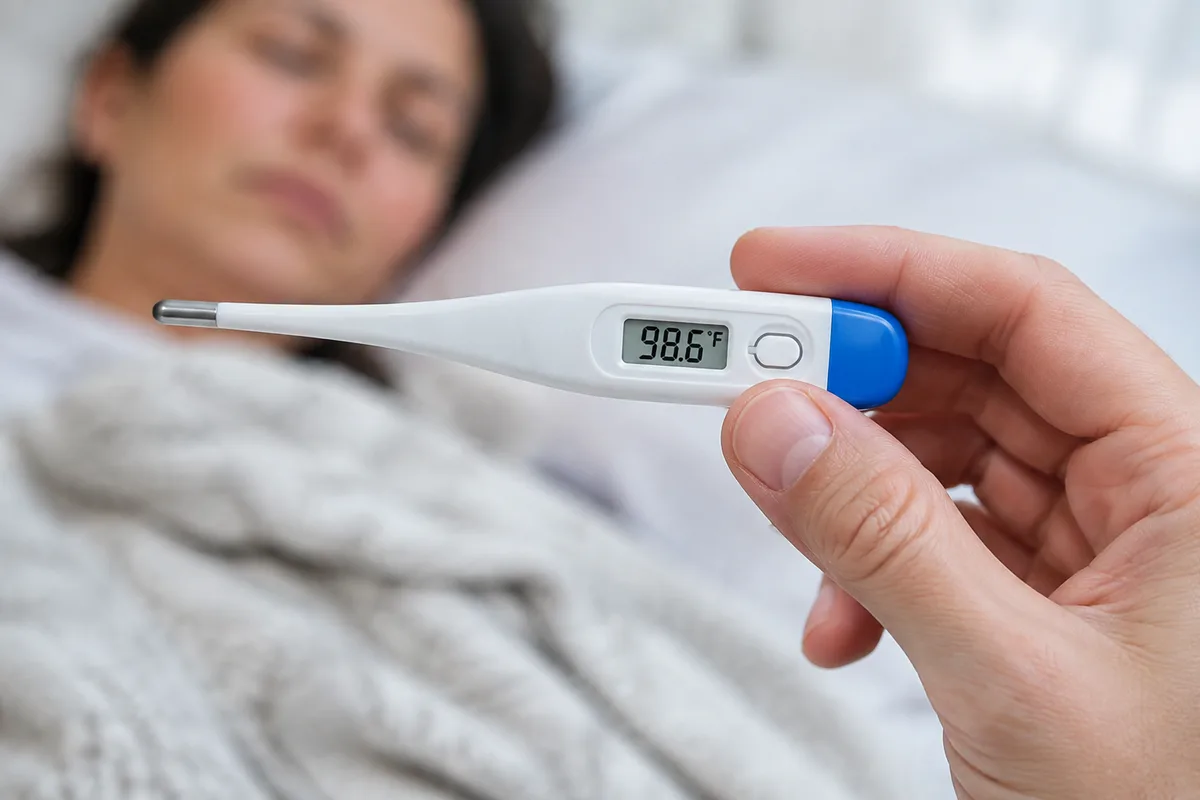
Digital Thermometry
Fast, accurate temperature readings for sick visits. Checking a patient's temperature is one of the simplest and most useful steps in figuring out what's going on when someone doesn't feel well, and having a reliable digital reading helps guide the rest of the visit at Quentin Medical Pc.
What digital Thermometry is
Digital thermometry refers to electronic temperature-taking equipment that measures body heat using a small sensor rather than the mercury or glass tools once common in medical offices. A digital thermometer can take a reading from the forehead, ear, underarm, or mouth, depending on the device and the situation, and it displays the result in seconds on a digital screen.
This approach improved on older glass thermometers in a few clear ways: there is no mercury to worry about, readings are faster, and results are easier to read accurately. Digital devices also tend to be more consistent from one reading to the next, which matters when a care team is trying to track whether a fever is rising, falling, or holding steady over the course of a visit or an illness.
How we use it at Quentin Medical Pc
At Quentin Medical Pc, digital thermometry is a routine part of sick visits, where a temperature reading is often the first piece of information gathered before other assessments begin. A fever, or the absence of one, helps shape the rest of the exam and points toward which further checks may be useful.
Temperature readings are frequently considered alongside other on-site checks performed during the same visit, such as pulse oximetry to check blood oxygen levels, automated blood pressure monitoring, and rapid strep and flu testing when an infection is suspected. Together, these tools give a fuller picture of how a patient is doing without requiring trips to outside labs or offices. Everything gathered during the visit, including temperature readings, is recorded in the practice's electronic health records, so it stays part of a patient's ongoing history and is accessible at future visits.
What it means for you
A quick, accurate temperature reading means less waiting and less guesswork. It's a simple, non-invasive step that most patients barely notice, yet it gives real information that helps guide decisions about whether further testing, medication, or rest is the right next step.
Because the reading is available immediately, there's no delay while waiting for results from an outside source. This can make conversations with your provider clearer and more efficient, since you're both looking at the same real-time information as you talk through symptoms and next steps.
What to expect during your visit
Taking a temperature is one of the fastest parts of any visit. Depending on the device used, a reading may be taken at the forehead, in the ear, or under the arm, and the process generally takes just a few seconds to a minute. There's little to no discomfort involved, and no special preparation is needed beforehand.
During a sick visit, a temperature check is usually done early on, often alongside a blood pressure and oxygen check, so your care team has a baseline before discussing your symptoms in more detail. If your temperature is elevated, this may prompt additional in-office testing, such as a rapid strep or flu test, during the same appointment. Afterward, your reading is noted in your record so it can be compared with future visits if needed.
Frequently asked questions
Is digital temperature-taking safe?
Yes. Digital thermometers are a standard, low-risk tool used across primary care and do not involve mercury or any exposure risk. The sensors used are gentle and appropriate for a wide range of patients, from young children to older adults.
Does it hurt or feel uncomfortable?
No. Most digital thermometers used in the office are placed at the forehead, ear, or underarm, and the reading is taken in a matter of seconds. Patients typically feel little more than a light touch.
How often is my temperature checked?
Temperature is commonly checked during sick visits and whenever a provider wants a current snapshot of how you're feeling. It may also be checked again later in the same visit if your care team is monitoring how you're responding to treatment.
Is this suitable for children and older adults?
Yes. Digital thermometry is used across age groups, since the equipment is quick, comfortable, and adaptable to different placement methods depending on what's easiest for the patient at the time.
If you have questions about digital thermometry or would like to schedule a sick visit, reach out to Quentin Medical Pc — we're glad to help.
This content is for general information only and isn't medical advice. Talk with your doctor about your own situation. If you have a medical emergency, call 911.