Automated Blood Pressure Monitoring
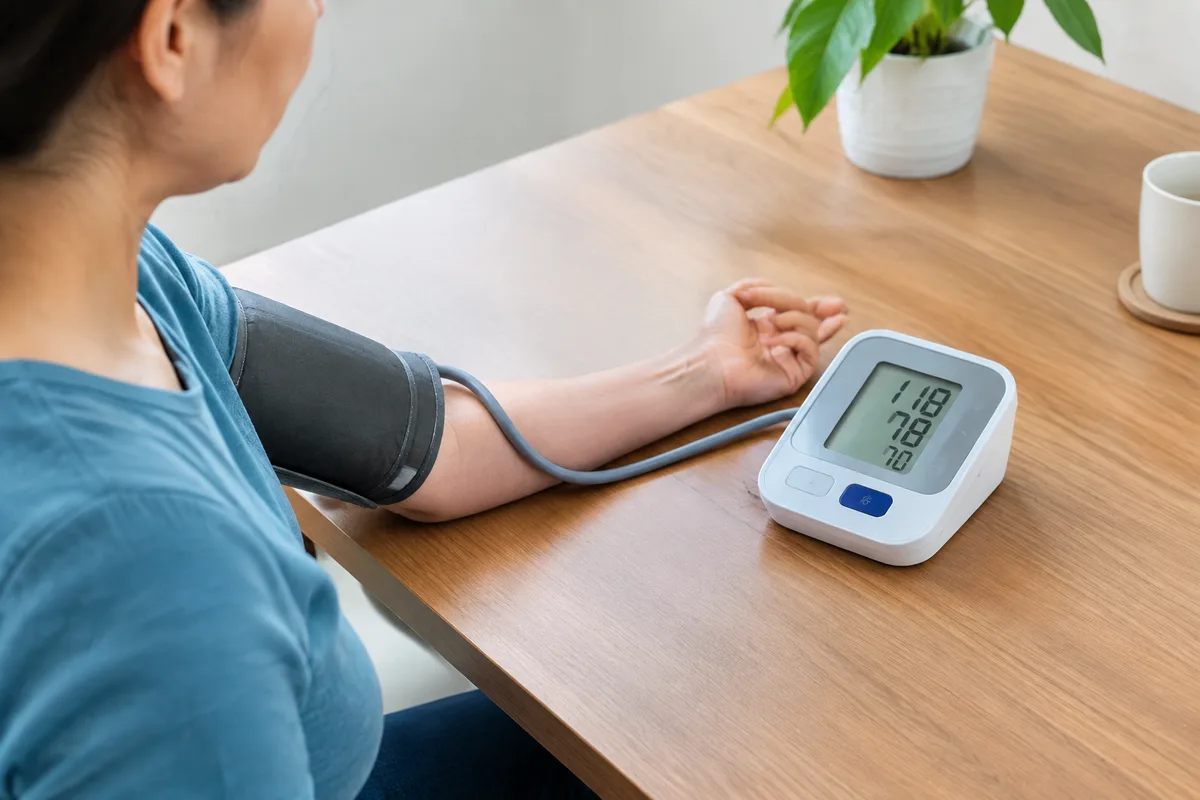
Automated Blood Pressure Monitoring
Automated blood pressure monitoring uses an electronic cuff and monitor to measure blood pressure without relying on a manual reading. At Quentin Medical Pc in Brooklyn, NY, this equipment gives consistent, repeatable readings that help track hypertension accurately, whether you are coming in for a routine check or ongoing management of a chronic condition.
What automated Blood Pressure Monitoring is
An automated blood pressure monitor is a device that inflates a cuff around the arm and uses sensors to detect the pulse and pressure changes as blood flows through the artery. The reading is calculated electronically and displayed as a numeric result, rather than being interpreted by ear through a stethoscope. This removes some of the variability that can come from how a manual reading is taken or heard.
This approach improved on older manual methods by reducing the chance of small human errors, such as inconsistent cuff placement, timing, or rounding of numbers. Because the device follows the same process every time, readings taken at different visits are easier to compare to one another, which matters for tracking a condition like hypertension over months or years rather than relying on a single number from a single day.
How we use it at Quentin Medical Pc
At Quentin Medical Pc, automated blood pressure monitoring is used to produce consistent, repeatable readings that support accurate tracking of hypertension over time. This fits naturally alongside other on-site capabilities, including the Digital Scale & Body Composition equipment used for weight tracking, and the Electronic Health Records system that keeps each blood pressure reading, along with medications and past results, organized in one place so nothing is lost between visits.
Because results are recorded in the same secure record from visit to visit, patients being followed for hypertension management or broader chronic disease management can see how their numbers trend over time. Readings can also be reviewed through the Patient Portal, giving patients a way to see past results alongside lab work and messages with the office. Automated blood pressure monitoring is typically part of a standard visit rather than a separate appointment on its own.
What it means for you
For patients, an automated reading generally means less waiting and less guesswork. The process is quick, does not require any needles or special preparation, and produces a number you can see right away on the display. Because the method is standardized, readings taken today can be compared more meaningfully to readings taken at a past or future visit, which supports clearer conversations about whether a treatment plan is working.
Consistent readings over time can also make it easier to have an informed discussion about lifestyle factors, medication adjustments, or when to schedule a follow-up. For anyone managing hypertension as part of ongoing chronic disease management, having reliable numbers recorded in one place, rather than scattered across different visits or providers, can make it simpler to understand your own health pattern.
What to expect during your visit
Before the reading is taken, you will usually be asked to sit quietly for a short period with your arm supported at heart level, since talking or moving can affect the result. A cuff is placed around your upper arm, and the automated device inflates and then slowly releases the cuff while it measures the pressure. Most people feel a brief squeezing sensation that is not painful and lasts only a matter of seconds.
The whole process typically takes just a few minutes and is often done as part of a broader visit, such as a physical exam, a wellness visit, or a follow-up for an existing condition. Once the reading is complete, the number is recorded and can be discussed with you right away, including how it compares to previous visits if you have been seen before.
Frequently asked questions
Is automated blood pressure monitoring safe?
Yes. The cuff briefly compresses the arm to take the reading, similar to a manual blood pressure check, and there is no needle, radiation, or medication involved. It is considered a routine, low-risk part of a standard visit.
Does it hurt or feel uncomfortable?
Most patients feel only a temporary squeezing sensation as the cuff inflates, which resolves quickly once the reading is taken. It is generally not described as painful, though the cuff may feel tight for a few seconds.
How long does the reading take?
The reading itself usually takes just a few minutes, including the brief period of sitting quietly beforehand. It is typically done as one part of a longer visit rather than as a separate appointment.
Who is automated blood pressure monitoring appropriate for?
It is appropriate for most patients, whether you are being checked as part of a routine physical or being followed for an ongoing condition such as hypertension. It is a standard, non-invasive part of primary care visits for a wide range of ages and health situations.
If you would like to have your blood pressure checked or discuss ongoing hypertension management, reach out to Quentin Medical Pc to ask about scheduling a visit.
This content is for general information only and isn't medical advice. Talk with your doctor about your own situation. If you have a medical emergency, call 911.