12-Lead EKG
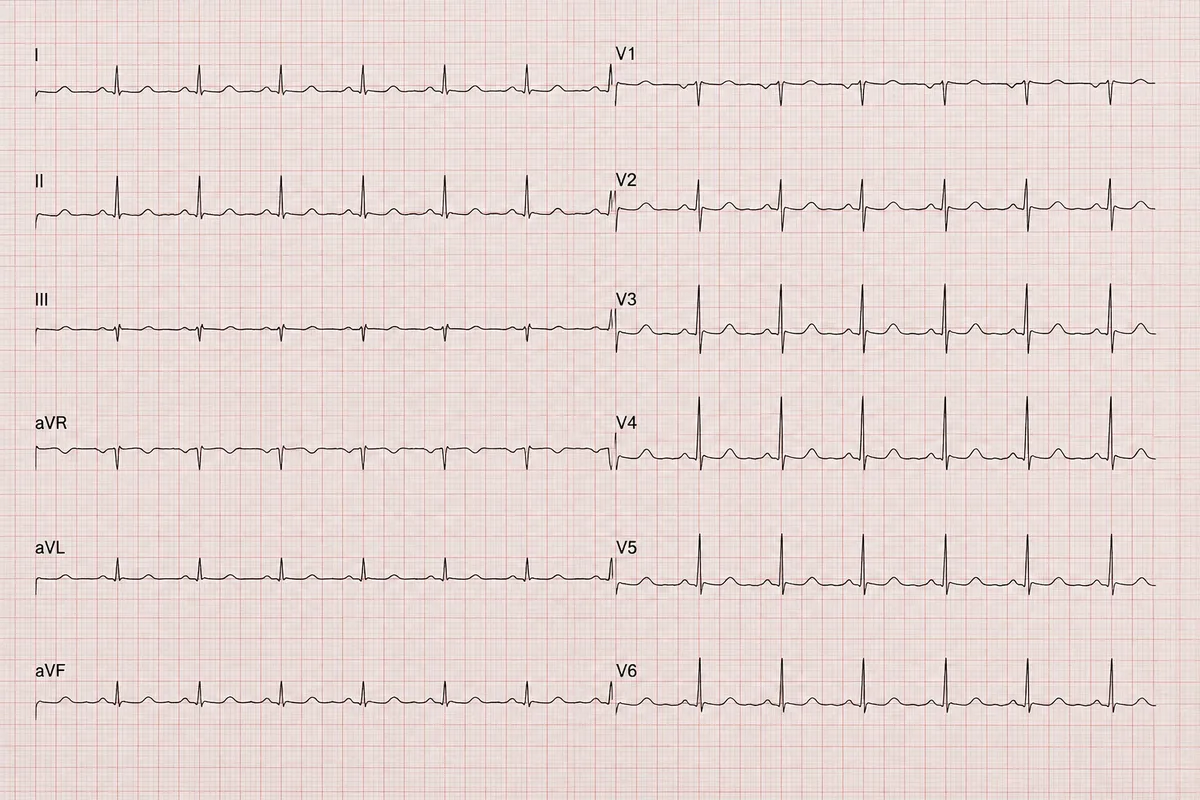
12-Lead EKG
A 12-lead EKG is one of the simplest ways to look directly at how your heart is beating. At Quentin Medical Pc, this quick, painless heart tracing is done right in the office to check rhythm and spot warning signs, without a separate trip to a hospital or specialist.
What 12-Lead EKG is
An electrocardiogram, or EKG, records the electrical signals that make your heart beat. A 12-lead EKG uses a set of small sensors placed on the chest, arms, and legs to capture the heart's activity from twelve different angles at once, giving a fuller picture than a single-strip reading. The machine translates those signals into a tracing that shows rhythm, rate, and the pattern of electrical conduction through the heart.
This approach replaced older single-lead strips that could only show a narrow view of heart activity. By reading the heart from multiple angles, a 12-lead EKG can pick up patterns that a simpler tracing might miss, which is why it has become a standard tool in primary-care offices and clinics for a wide range of checkups and symptom evaluations.
How we use it at Quentin Medical Pc
At Quentin Medical Pc, the 12-lead EKG is one of several on-site tools used to build a clear picture of your cardiovascular health during a visit. It often works alongside Automated Blood Pressure Monitoring and Pulse Oximetry, so a clinician can look at rhythm, pressure, and oxygen levels together rather than piecing together results from separate appointments.
Results are recorded directly into your Electronic Health Records, keeping the tracing alongside your history and medications so it can be compared over time and referenced at future visits. If follow-up is needed, the same visit's Patient Portal notes let you review the summary afterward at your own pace.
An EKG done here may be part of a broader visit for chronic disease management, hypertension management, cholesterol management, or a pre-operative clearance, since heart rhythm is often one piece of a larger evaluation rather than a stand-alone test.
What it means for you
A 12-lead EKG is non-invasive and does not involve needles or discomfort, which makes it an easy addition to a regular visit rather than a separate procedure requiring preparation or recovery time. Because it is done on-site, there is no need to travel elsewhere or wait for an outside appointment to get a rhythm check.
Having the tracing available immediately means a clinician can discuss the findings with you the same day, rather than waiting on results from an outside facility. Keeping the record in one place also makes it easier to compare a new tracing against a past one, which can help clarify whether a symptom or change is new or long-standing.
What to expect during your visit
Before the test, you will be asked to lie still on the exam table with your chest, wrists, and ankles exposed so the sensors can make good contact with the skin. No fasting or special preparation is needed. A staff member will attach small adhesive patches or clips connected to the EKG machine.
During the recording, you simply lie still and breathe normally for about a minute while the machine captures the tracing. There is no sensation from the sensors themselves beyond the light pressure of the patches, and no electrical current passes into your body during the process.
Afterward, the sensors are removed, and the tracing is reviewed as part of your visit. The entire process, from setup to removal, typically takes only a few minutes, and you can resume normal activity right away.
Frequently asked questions
Is a 12-lead EKG safe?
Yes. The test only reads the heart's existing electrical activity and does not send any current into the body. It is considered a safe, non-invasive way to check heart rhythm and is widely used across all age groups.
Does it hurt?
No. You may feel the light pressure of the sensor patches on your skin, but the test itself is painless. There are no needles involved and no lasting sensation once the sensors are removed.
How long does it take?
The recording itself usually takes just a minute or two once the sensors are in place. Including setup and removal, the whole process generally fits easily within a routine office visit.
Who might need one?
A 12-lead EKG is commonly used during physicals, before certain procedures, or when a patient reports symptoms such as chest discomfort, palpitations, or shortness of breath. It is also used as part of ongoing management for conditions like hypertension or heart-related concerns, at the discretion of your clinician.
If you have questions about whether a 12-lead EKG makes sense for your care, reach out to Quentin Medical Pc to schedule a visit and ask our team directly.
This content is for general information only and isn't medical advice. Talk with your doctor about your own situation. If you have a medical emergency, call 911.